Wednesday, 18 January 2012 15:59
| View of the cleanup work which was being done this past summer at the Enbridge oil spill site near Wrigley, N.W.T. Image: CBC.ca |
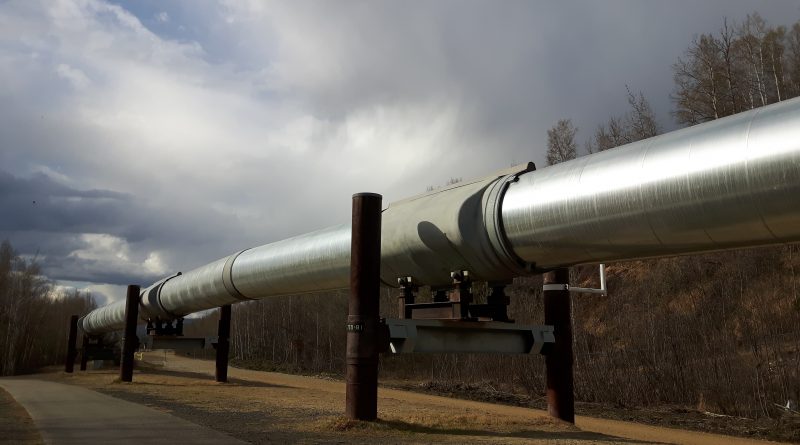
The company sent a device, called a pig, through the 30-year-old pipe to look for wear and tear after a spill near Wrigley, Northwest Territories last spring.
After inspecting the pipeline's inside walls inch by inch, Enbridge said it found seven areas of concern.
"These are not leaks. These are simply areas we go, 'Hey, we want to take a closer look at this' and that is where we make the decision to dig and to visually examine the pipeline," said Enbridge spokesperson Jennifer Varey.
Images of the spill are still clear in Liidlii Kue First Nation in Fort Simpson, N.W.T., Chief Jim Antoine's mind. He said Enbridge's results raise even more questions.
He said his First Nation members are concerned, particularly due to the fact that part of Enbridge's pipeline has been buried underwater for 30 years near the confluence of the Liard and Mackenzie Rivers.
"They plan to use it some more, we don't know how long. We asked them if they ever send divers in the Mackenzie River to visually check the conditions of the pipe that is supposedly buried, and they said no. So we say, 'How do you know how it is?', and they said they use the ultrasound in the pipeline. So that is one concern that was raised by our members," said Antoine.Antoine said Enbridge told him and other community members they use an ultrasound machine to check the thickness of the pipe underwater.
Enbridge said detailed pipe inspections happen at least once a year. The company plans to send crews out on foot to dig up and inspect the questionable sites over the next two months.
About 700 to 1,500 barrels of oil spilled into the surrounding environment from the line on May 9.