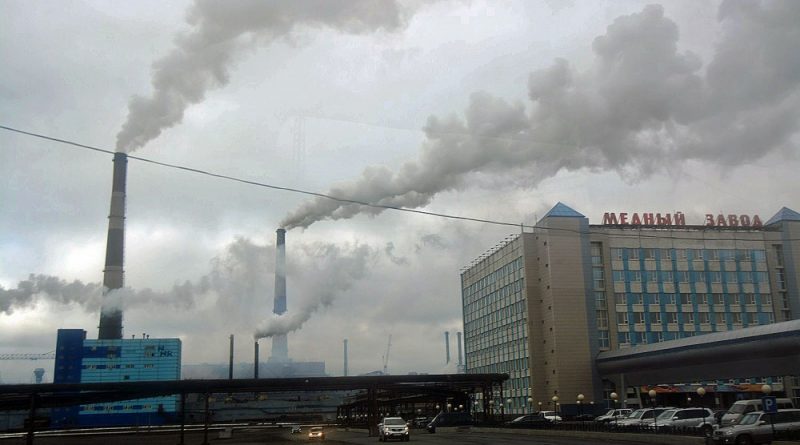
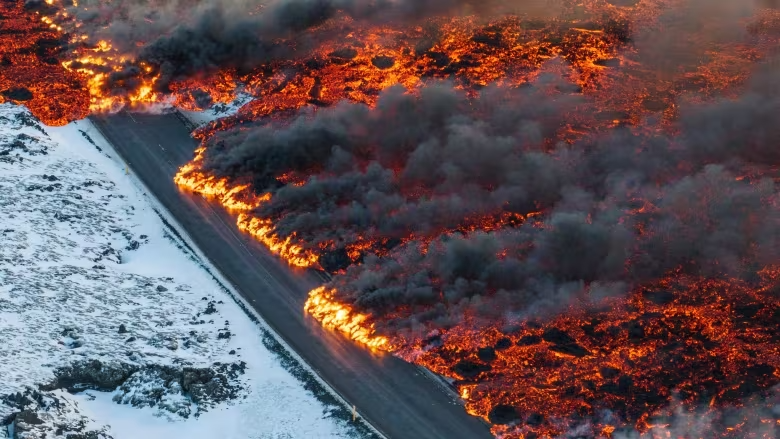
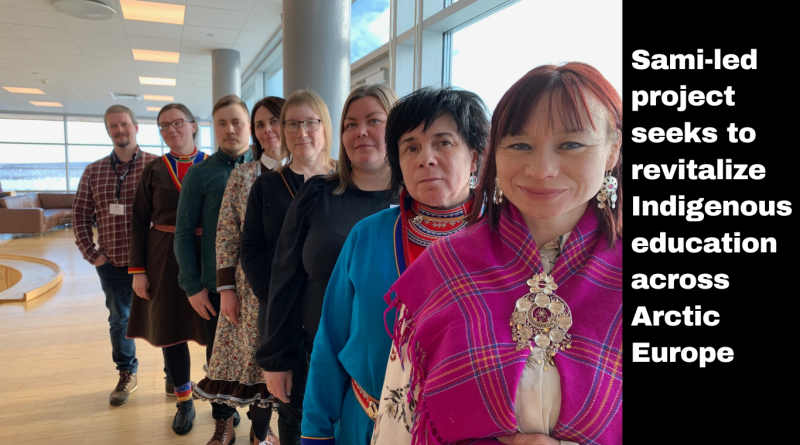
News* Featured * Business Business (Russia) Featured • Zone 1 General Russia Nornickel moves production to China to circumvent sanctions Thursday, April 25, 2024Thomas Nilsen, The Independent Barents Observer0* Featured * Canada Countries Environment Environment (Canada) Featured • Zone 2 General Nunavut government wants to open a protected area in the High Arctic to tourism Thursday, April 25, 2024CBC News0* Featured * Featured • Zone 3 General Politics Politics (Sweden) Sweden Sweden’s Defence Commission to hand in final report on Friday Thursday, April 25, 2024Radio Sweden0Canada* Featured * Canada Countries Environment Environment (Canada) Featured • Zone 2 General Nunavut government wants to open a protected area in the High Arctic to tourism Thursday, April 25, 2024CBC News0* Featured * Canada Countries Featured • Zone 3 General Politics Politics (Canada) Construction of defence building in Yellowknife to begin, years later than expected Thursday, April 25, 2024CBC News0* Featured * Canada Countries Featured • Zone 3 Society (Canada) Soup kitchen preparations gain momentum in Taloyoak, Nunavut Wednesday, April 24, 2024Eilís Quinn, Eye on the Arctic0Denmark/Greenland* Featured * Denmark/Greenland Featured • Zone 3 General News Politics Politics (Denmark/Greenland) Denmark’s Arctic, North Atlantic focus: Canada among new defence attaché posts Tuesday, April 23, 2024Eilís Quinn, Eye on the Arctic0* Featured * Denmark/Greenland Environment Environment (Denmark/Greenland) Featured • Zone 3 General News European Arctic experienced warmer-than-average conditions for most of 2023: report Monday, April 22, 2024Eye on the Arctic0* Newsroom Picks * Blog Business (Denmark/Greenland) Countries Denmark/Greenland Environment (Denmark/Greenland) Geopolitics (Denmark/Greenland) Newsroom Picks • zone 1 Politics (Denmark/Greenland) Blog: Greenland’s Roles in Arctic Security: Many Paths Leading to One? Tuesday, April 2, 2024Marc Lanteigne0FinlandFeatured • Zone 2 Geopolitics Geopolitics (Finland) Finnish president making first state visit to Sweden, with focus on defence, security Wednesday, April 17, 2024Yle News0Environment Environment (Finland) Finland to freeze in second half of April Wednesday, April 17, 2024Yle News0Finland General News Politics Politics (Finland) Sami leader says recent Finnish court ruling was ‘devastating’ & violation of autonomy Tuesday, April 16, 2024Eye on the Arctic0IcelandEnvironment (Iceland) General Iceland Society Iceland’s famous Blue Lagoon evacuated as volcano erupts for 3rd time Thursday, February 8, 2024The Associated Press0* Featured * Environment (Iceland) Featured • Zone 3 General Iceland News Society Icelandic authorities continue to monitor Reykjanes peninsula eruption Monday, January 15, 2024Eye on the Arctic0* Featured * Featured • Zone 3 General Iceland News Politics Politics (Iceland) Norwegian F-35s in Iceland for airspace surveillance Friday, January 12, 2024Eye on the Arctic0Norway* Featured * Featured • Zone 3 General Norway Politics Politics (Norway) US Army sends heavy equipment to Arctic Norwegian port for transfer to Finland Wednesday, April 24, 2024Atle Staalesen, The Independent Barents Observer0General Norway Politics Politics (Norway) Against Russian aggression: Norway signs security agreement with Ukraine Tuesday, April 16, 2024Atle Staalesen, The Independent Barents Observer0General Norway Politics Politics (Norway) Norwegians, Americans build Arctic satellite station against enemy cruise missiles Friday, April 12, 2024Atle Staalesen, The Independent Barents Observer0Russia* Featured * Business Business (Russia) Featured • Zone 1 General Russia Nornickel moves production to China to circumvent sanctions Thursday, April 25, 2024Thomas Nilsen, The Independent Barents Observer0* Featured * Featured • Zone 3 General News Politics Politics (Russia) Russia Finland relaxed over Moscow’s plans to deploy Iskander-M missiles near border Thursday, April 25, 2024Thomas Nilsen, The Independent Barents Observer0* Featured * Featured • Zone 3 General News Politics Politics (Russia) Russia Russia’s Defence Ministry says new mini-sub can dive to 11,000 meters depth Tuesday, April 23, 2024Atle Staalesen, The Independent Barents Observer0Sweden* Featured * Featured • Zone 3 General Politics Politics (Sweden) Sweden Sweden’s Defence Commission to hand in final report on Friday Thursday, April 25, 2024Radio Sweden0Featured • Zone 3 Geopolitics Geopolitics (Sweden) Moscow says it will build drone bases along Arctic coast Monday, April 15, 2024Atle Staalesen, The Independent Barents Observer0* Newsroom Picks * Geopolitics Geopolitics (Sweden) Newsroom Picks • zone 1 Sanctions are about to wreck Moscow’s grand Arctic projects Tuesday, April 9, 2024Atle Staalesen, The Independent Barents Observer0USA* Featured * * Newsroom Picks * Featured • Zone 3 General News Newsroom Picks • zone 1 Politics Politics (USA) USA Biden administration blocks Ambler Road, strengthens protections for NPR-A Friday, April 19, 2024Kavitha George, Alaska Public Media0Business Business (USA) US to reject access road to northern Alaska mining district, Politico reports Wednesday, April 17, 2024Thomson Reuters0* Featured * Environment Environment (USA) General News USA Arctic weather satellite leaving Europe for June launch in U.S. Friday, April 5, 2024Eye on the Arctic0 Podcasts Arctic Tourism and the Pandemic Longforms* Featured * * Newsroom Picks * Featured • Zone 3 Featured Longform Longform Newsroom Picks • zone 1 Sami-led project seeks to revitalize Indigenous education across Arctic Europe Wednesday, May 24, 2023Eilís Quinn, Eye on the Arctic0Blog* Newsroom Picks * Blog Business (Denmark/Greenland) Countries Denmark/Greenland Environment (Denmark/Greenland) Geopolitics (Denmark/Greenland) Newsroom Picks • zone 1 Politics (Denmark/Greenland) Blog: Greenland’s Roles in Arctic Security: Many Paths Leading to One? Tuesday, April 2, 2024Marc Lanteigne0Video ReportsArt Art (Canada) Canada Culture General Video Reports Inuit artists reflect on their art, their culture and their language Wednesday, November 6, 2019Eilís Quinn, Eye on the Arctic0